

As Malaysia continues to embrace digital transformation, the landscape of marketing is evolving at a rapid pace. In 2023, the country’s digital marketing scene is set to witness various emerging trends that will shape how businesses connect with consumers, build brand awareness, and drive sales. In this blog series, we will explore nine critical digital marketing trends poised to impact Malaysia’s market this year significantly.
The rise of influencer marketing has become a game-changer for brands seeking to establish a solid online presence. We will delve into how local influencers shape Malaysia’s marketing landscape. From fashion and beauty to food and travel, these influential personalities have amassed loyal followings and hold considerable sway over consumer behavior. We will explore the strategies behind successful influencer collaborations and provide insights into how brands can leverage the power of local influencers to connect with their target audience and achieve tangible results.
Enhanced personalization is another critical trend driving digital marketing in Malaysia. With consumers expecting tailored experiences, businesses must go beyond generic messaging to deliver personalized campaigns that resonate on an individual level. In our second trend, we will dive into the importance of personalization and provide practical guidance on leveraging data-driven insights to create highly targeted marketing initiatives. Whether through personalized emails, customized content, or tailored offers, we will explore how businesses can effectively engage Malaysian consumers by delivering relevant and meaningful experiences throughout their customer journey.
9 Digital Marketing Trends Shaping Malaysia’s Market in 2023
1. The Rise of Influencer Marketing
Influencer marketing is a type of marketing that uses social media influencers to promote a product or service. Influencers are people who have a large following on social media and who are trusted by their followers. When influencers promote a product or service, followers are more likely to be interested. In Malaysia, influencer marketing is becoming increasingly popular. A recent study by Ipsos found that 72% of Malaysians are aware of influencer marketing, and 58% have purchased a product or service after seeing it promoted by an influencer.
There are several reasons why influencer marketing is so prevalent in Malaysia. One reason is that the country has a large and active social media community. Another reason is that Malaysians are increasingly trusting influencers. A recent study by Nielsen found that 70% of Malaysians trust influencers to provide honest and unbiased information about products and services.
There are several strategies that brands can use to identify and collaborate with influential local personalities. One approach is using social media analytics to identify influencers with a large following in the target market. Another strategy is to attend industry events and meet potential influencers in person. Once a brand has identified potential influencers, it is crucial to build relationships with them. This can be done by offering them free products or services or inviting them to events.
Some case studies highlight successful influencer marketing campaigns in Malaysia. One example is the campaign by Magnum ice cream. Magnum partnered with local influencers to create a series of videos that promoted the brand’s new flavor. The campaign was a success, and it helped to increase Magnum’s sales in Malaysia.

2. Enhanced Personalization
Personalization is the process of tailoring a digital experience to the individual user. It can improve the user experience, increase engagement, and drive conversions. Personalization is becoming increasingly crucial in Malaysia as consumers become more accustomed to receiving personalized content and offers. A recent study by Google found that 72% of Malaysian consumers are more likely to shop with a brand that offers personalized experiences.
There are some ways to personalize digital experiences for Malaysian consumers. One way is to use data-driven insights to create tailored campaigns. This can be done by collecting data on user behavior, such as what pages they visit, what products they view, and what products they purchase. This data can then be used to create targeted ads and offers relevant to the individual user.
Another way to personalize digital experiences is to implement effective personalization techniques across multiple channels. This can be done using the same messaging and offers across all channels, such as websites, email, and social media. This will create a seamless experience for the user and make it more likely that they will engage with your brand.
Here are some examples of how personalization can be used to improve the digital experience for Malaysian consumers:
- A retailer can use data-driven insights to create personalized product recommendations for each customer.
- A bank can use personalization to send targeted offers and reminders to customers about upcoming bill payments.
- A travel agency can use personalization to recommend hotels and flights tailored to each customer’s interests and preferences.
3. Power of Video Marketing
Video marketing is a powerful tool that can be used to captivate Malaysian audiences. In recent years, video content has become increasingly popular in Malaysia, with more and more people consuming video content daily. This trend is driven by the increasing availability of high-speed internet and the growing popularity of mobile devices.
Some platforms can be used to leverage the power of video marketing in Malaysia. YouTube, TikTok, and Instagram Reels are all popular platforms that can be used to reach a large audience. When creating video content for these platforms, it is vital to keep in mind the following tips:
- Keep your videos short and to the point. People have short attention spans, so getting your message across quickly and effectively is crucial.
- Use high-quality video and audio. This will help ensure your videos are visually appealing and easy to watch.
- Make your videos engaging and shareable. Use humor, storytelling, or other techniques to keep viewers engaged and encourage them to share your videos with friends.
Here are some additional tips for creating engaging and shareable video content in the Malaysian market:
- Use local language and cultural references. This will help to make your videos more relatable to your target audience.
- Feature local people and businesses. This will help to build trust and credibility with your audience.
- Use humor and storytelling. These are two powerful techniques that can be used to engage and connect with viewers.
- Promote your videos on social media. This is a great way to get your videos seen by a wider audience.
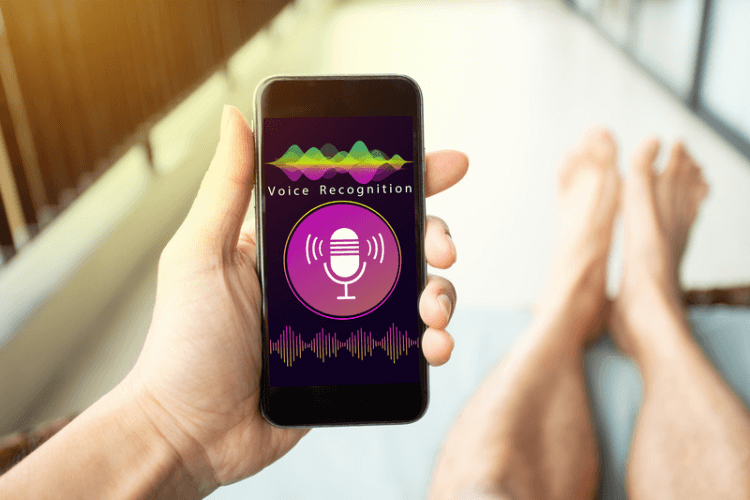
4. Voice Search Optimization
Voice search is a rapidly growing trend, and it is significantly impacting how people search for information online. In Malaysia, voice search is becoming increasingly popular, and businesses not optimizing their websites and content for voice search are missing out on a large potential audience.
There are some things that businesses can do to optimize their websites and content for voice search. One important thing is to use natural language keywords and phrases. Voice search queries are often more conversational than traditional ones, so it is vital to use language that people are likely to use when speaking.
Another important thing is to optimize your website for mobile devices. Voice search is often used on mobile devices, so ensuring your website is mobile-friendly is crucial. Incorporating Malaysian dialects and accents in your voice search optimization efforts is essential. Malaysians often speak with various accents, so it is vital to ensure your website and content are optimized for these accents.
5. Hyper-Local Targeting
Hyper-local targeting is a marketing strategy focusing on reaching consumers in a specific geographic area using various methods, including geolocation-based advertising, social media targeting, and email marketing.
Geolocation-based advertising
Allows businesses to target their ads to people physically located within a particular area using the user’s IP address or GPS coordinates. For example, a restaurant could run an ad that only appears to people who are within a certain distance of the restaurant
Social media targeting
Allows businesses to target their ads to people interested in specific topics or activities by using the user’s interests, likes, and follows. For example, a sporting goods store could run an ad that only appears to people interested in sports.
Email marketing
Allows businesses to target their ads to people who have already expressed an interest in their products or services by collecting email addresses from website visitors or customers. For example, a clothing store could email customers who have recently viewed a particular item of clothing.
Hyper-local targeting can be a very effective way to reach Malaysian consumers because Malaysians increasingly use digital channels to find information and make purchases. A recent study by Google found that 97% of Malaysians use their smartphones to search for local businesses.
Here are some case studies showcasing successful hyper-local marketing campaigns in Malaysia:
- McDonald’s used geolocation-based advertising to target its ads to people physically located near its restaurants. The campaign resulted in a 10% increase in foot traffic.
- Starbucks targeted social media ads to people interested in coffee. The campaign resulted in a 20% increase in sales.
- Pizza Hut used email marketing to target its ads to people who had previously ordered pizza from the restaurant. The campaign resulted in a 30% increase in orders.

6. Artificial Intelligence in Marketing
Artificial intelligence (AI) is rapidly transforming the marketing landscape, with businesses of all sizes using AI-powered tools and platforms to enhance efficiency and engagement.
Here are some of the ways that AI is being used in marketing today:
- Personalization: AI can personalize marketing campaigns based on user data, such as demographics, interests, and purchase history. This can help businesses to deliver more relevant and engaging messages to their target audiences.
- Predictive analytics: AI can predict customer behavior, such as which products they are likely to purchase or which content they are likely to engage with. This information can be used to optimize marketing campaigns and improve customer experiences.
- Automation: AI can be used to automate marketing tasks, such as lead generation, customer support, and social media management. This can free up marketing teams to focus on more strategic initiatives.
AI is still a relatively new technology but can potentially revolutionize the marketing industry. As AI continues to develop, we expect to see even more innovative and effective ways to reach and engage customers.
Here are some examples of AI-powered marketing tools and platforms used in Malaysia:
Chatbots
Chatbots are AI-powered programs that can simulate conversations with humans. They are often used in customer service to answer questions and provide support.
Content marketing platforms
Content marketing platforms use AI to help businesses create, manage, and distribute content. This can help businesses to reach a wider audience and improve their search engine ranking.
Marketing automation platforms
Marketing automation platforms use AI to automate marketing tasks, such as lead generation, customer support, and social media management. This can free up marketing teams to focus on more strategic initiatives.
Here are some predictions for future AI trends in the Malaysian marketing landscape:
- Increased personalization: AI will personalize marketing campaigns based on user data. This will help businesses to deliver more relevant and engaging messages to their target audiences.
- More predictive analytics: AI will be used to predict customer behavior, such as which products they are likely to purchase or which content they are likely to engage with. This information will be used to optimize marketing campaigns and improve customer experiences.
- Greater automation: AI will automate marketing tasks, such as lead generation, customer support, and social media management. This will free up marketing teams to focus on more strategic initiatives.
7. User-Generated Content (UGC)
User-generated content (UGC) is created by users of a product or service rather than by the company that created the product or service. UGC can be in the form of text, images, videos, or audio.
UGC is becoming increasingly crucial in Malaysian digital marketing. This is because UGC is seen as more authentic and trustworthy than content that brands themselves create. UGC can also help brands to connect with their target audiences on a more personal level.
There are some ways to encourage and leverage UGC. One way is to create contests or challenges that enable users to create content about your brand. Another way is to offer incentives for users to share their content, such as discounts or free products. You can also create a hashtag for your brand and encourage users to use it when sharing content about it.
Here are some examples of successful UGC campaigns by Malaysian brands:
- McDonald’s Malaysia ran a contest where users could submit photos of themselves eating McDonald’s food. The images with the most likes would win a prize. This campaign was a huge success, with over 10,000 images submitted.
- Starbucks Malaysia ran a challenge where users could post videos of themselves making a Starbucks drink at home. The video with the most views would win a prize. This campaign was also a huge success, with over 5,000 videos submitted.
- AirAsia ran a contest where users could submit photos of themselves wearing AirAsia merchandise. The picture with the most likes would win a prize. This campaign was a huge success, with over 10,000 images submitted.

8. Augmented Reality (AR) and Virtual Reality (VR) Experiences
Augmented reality (AR) and virtual reality (VR) are two of the most exciting new technologies to emerge in recent years. They have the potential to revolutionize how we interact with the world around us, and they are already being used in various ways in marketing.
In Malaysia, AR and VR are becoming increasingly popular with brands. This is because they offer some advantages over traditional marketing methods. For example:
- AR and VR can be used to create more immersive and engaging experiences for customers.
- They can also be used to provide customers with a more personalized experience, which can lead to increased loyalty and sales.
- Create interactive product demonstrations with AR to help customers learn more about a product and its workings.
- Create virtual tours of products or services with VR to help customers to experience a product or service before they buy it.
There are some success stories of brands that have utilized AR and VR in their campaigns in Malaysia. For example, McDonald’s Malaysia used AR to create an interactive game that allowed customers to collect virtual stickers. This game was a huge success, with over 1 million players participating.
Another example is AirAsia, which used VR to create a virtual tour of its new Airbus A330neo aircraft. This tour allowed customers to experience the plane before they flew it.
9. Sustainable Marketing
Sustainable marketing is a marketing approach that focuses on promoting products and services that are environmentally friendly and socially responsible. It is becoming increasingly crucial in Malaysia as consumers become more aware of their choices impact on the planet.
There are some ways to implement sustainable marketing practices in Malaysia. Some of these include:
• Using sustainable materials in the production of products and packaging.
• Reducing waste and emissions.
• Promoting social responsibility and ethical business practices.
• Supporting sustainable initiatives and causes.
Here are some case studies of brands successfully incorporating sustainability into their marketing strategies in Malaysia:
- Pokka Corporation is a Malaysian beverage company using sustainable practices for many years. The company uses recycled materials in its packaging and has a zero-waste policy in its manufacturing plants. Pokka also supports several sustainable initiatives, such as planting trees and providing clean water to needy communities.
- The Body Shop is a global cosmetics company committed to sustainability. The company uses fair trade ingredients and sustainable packaging. The Body Shop also supports many sustainable initiatives, such as protecting endangered species and fighting against climate change.
- Tenaga Nasional Berhad (TNB) is Malaysia’s largest power utility company. TNB has been working to reduce its environmental impact for many years. The company has invested in renewable energy sources like solar and wind power. TNB also has some energy efficiency programs in place.
Conclusion
By embracing these trends and implementing effective strategies, businesses can gain a competitive edge, foster brand loyalty, and drive conversions. As the digital marketing landscape evolves, staying agile, adapting to consumer preferences, and leveraging emerging technologies to deliver compelling and memorable experiences to Malaysian consumers is essential.
In the fast-paced world of digital marketing, those who embrace innovation, creativity, and customer-centricity will undoubtedly thrive in Malaysia’s evolving market in 2023 and beyond.
